

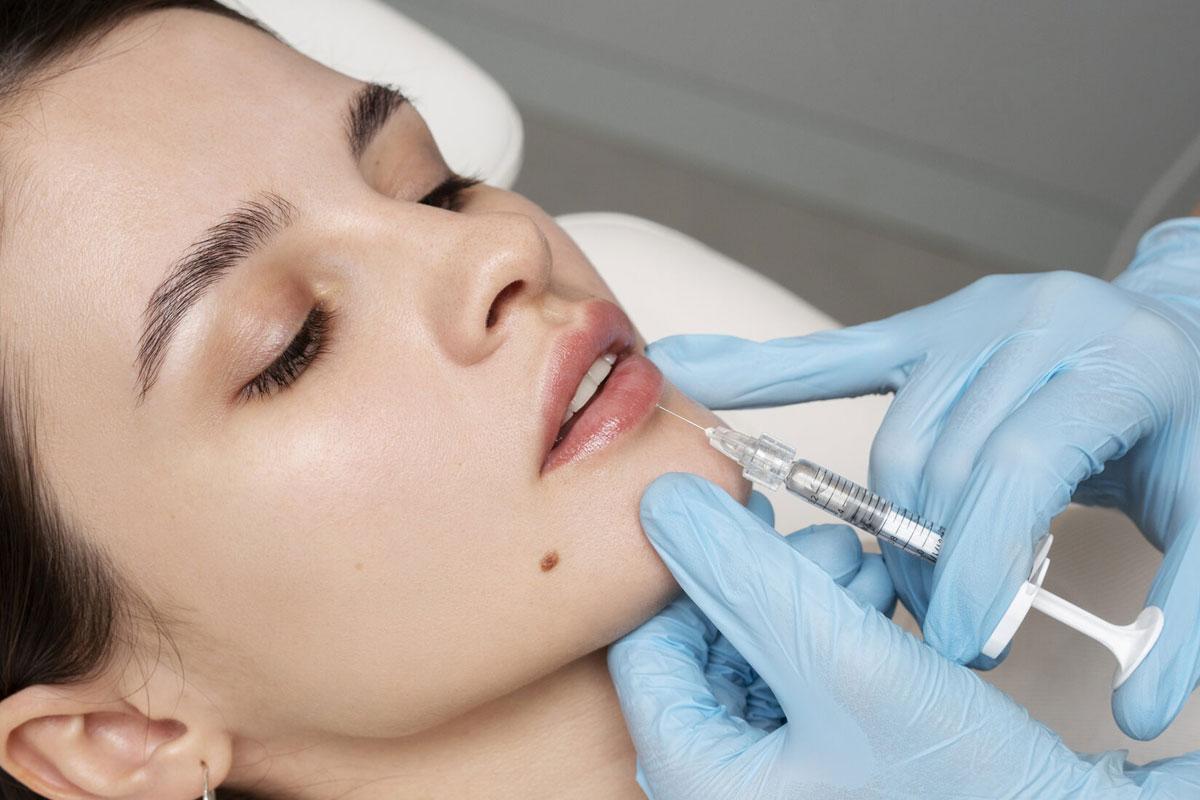
Interest in non-surgical cosmetic procedures is on the rise, and aesthetics Doral is no exception. Fillers remain one of the most requested treatments, especially among local individuals looking for facial structure enhancement, volume correction, or age-related soft tissue support. Before moving ahead, you should understand five essential points that often go unspoken in marketing but matter for long-term satisfaction.
1. Know What Fillers Are Designed to Do
Fillers restore volume, smooth creases, and refine facial contours. They don’t lift muscle or replace deeper structural changes. Think of them as volume balancers—not facial sculptors. The most common types use hyaluronic acid, with application areas including under the eyes, cheeks, lips, and jawline. Clinics offering aesthetics Doral services will typically use leading brands like SoBella or Restylane, matched to your facial goals.
2. Your Injector’s Background Is Non-Negotiable
Experience is the deciding factor in how your results turn out. Ask about the injector’s training, how long they’ve worked in medical aesthetics, and what types of fillers they routinely work with. Request to see their recent work. Focus on clinics that specialize in facial balancing, not just individual spot corrections.
3. Plan for Post-Injection Effects
While labeled as minimal-downtime procedures, fillers treatment may still cause visible swelling or bruising. This can last 2 to 7 days, depending on where injections are made and your skin’s reaction. You may also experience temporary tenderness or pressure.
Aftercare includes:
- No alcohol for 24 hours
- No gym for 48 hours
- No facial massages for one week
- Avoid hot environments like saunas or steam rooms
4. Fillers Are Not Permanent
Most people return for maintenance between 6 to 12 months, depending on the formulation used and treatment area. Don’t expect your first session to lock in a result for years. Maintenance should be planned financially and scheduled before visible volume loss returns.
5. Real Consultations Are Focused, Not Promotional
A good consultation outlines the treatment strategy, risks, timelines, and alternatives. Avoid clinics that offer no evaluation or jump into procedures too quickly. Ask for recommendations tailored to your face structure, lifestyle, and goals.
Questions to ask:
- How do you approach balance between facial zones?
- Will this product migrate in my case?
- What should I expect over the next three days?
Considering Combination Treatments? What to Understand About Morpheus
After learning what fillers can do, you may come across Morpheus as a suggested follow-up. Many clinics offering aesthetics Doral services combine both to enhance facial structure and skin tone. Fillers restore volume. Morpheus improves skin firmness and surface texture using radiofrequency and microneedling. When timed and performed with care, the combined result often looks more refined. It depends on your skin’s behavior, not just your goals.
Guidelines to Follow Before Scheduling Morpheus
If your plan includes both treatments, allow time between them. A 3 to 4-week window gives your skin room to recover from filler sessions before Morpheus is applied. Rushing this can interfere with filler placement or cause skin sensitivity.
Other practical points:
- Avoid using retinoids or exfoliants for five days leading up to treatment
- Keep out of direct sunlight for two weeks to reduce pigmentation risks
- Let your provider know about any cold sore history to prevent flare-ups
- Increase water intake during the week prior for better post-treatment recovery
Few realize that Morpheus also supports filler retention. By reinforcing nearby collagen, it holds the shape better over time. It’s especially useful for those seeing early skin laxity or softening near facial edges.
Clinics with experience in both procedures should customize your plan based on tissue density, not just visible aging. Always ask to see results from real clients who had both treatments, not just single-service outcomes.


